
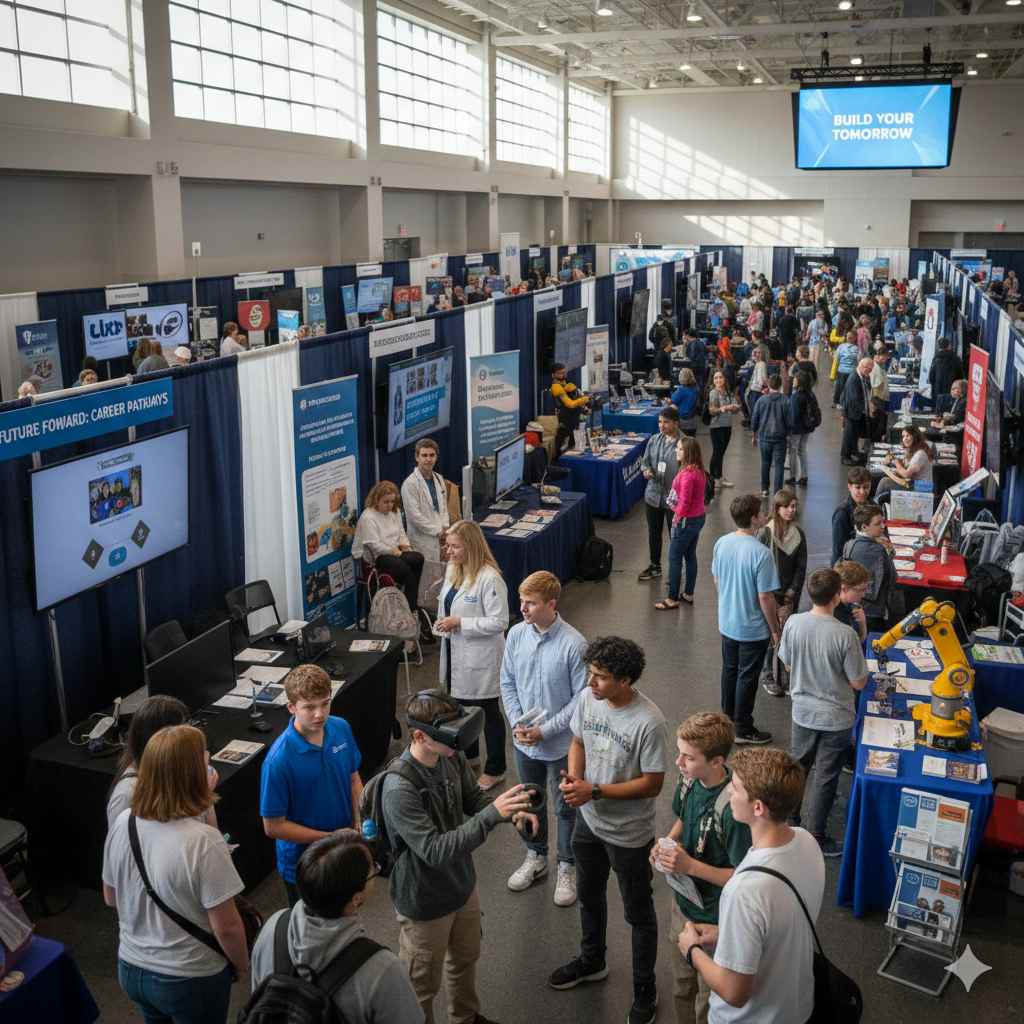
Career Education: Building a Strong Foundation for a Successful Future
In today’s fast-changing world, choosing the right career has become one of the most important decisions in a person’s life. With countless options, emerging industries, and evolving job roles, making an informed career choice is no longer simple. This is where career education plays a crucial role. Career education helps individuals understand their interests, develop relevant skills, explore career paths, and prepare for long-term professional success.
Career education is not limited to choosing a job after school or college. It is a lifelong process that guides individuals at every stage of their educational and professional journey. From early awareness in schools to skill development in higher education and career transitions later in life, career education provides direction, clarity, and confidence.
What Is Career Education?
Career education is a structured approach to helping individuals explore career options, understand workplace expectations, and develop the skills required to succeed in their chosen field. It combines academic learning with practical knowledge, career guidance, and skill development.
Unlike traditional education, which mainly focuses on academic subjects, career education connects learning with real-world applications. It helps students and professionals understand how their education translates into employment opportunities. Career education also emphasizes decision-making, goal setting, adaptability, and continuous learning.
Importance of Career Education in Today’s World
The modern job market is highly competitive and constantly evolving due to technology, globalization, and automation. Many traditional jobs are disappearing, while new roles are being created. In such an environment, career education becomes essential for several reasons.
First, career education helps individuals make informed choices. Many students choose courses or degrees without understanding career outcomes, leading to dissatisfaction or unemployment later. Career education provides clarity about job roles, required qualifications, salary expectations, and growth opportunities.
Second, it reduces skill gaps. Employers today look for candidates who are not only academically qualified but also possess practical skills, communication abilities, and problem-solving skills. Career education focuses on developing industry-relevant skills that improve employability.
Third, career education builds confidence. When individuals understand their strengths, interests, and career goals, they feel more confident in their decisions. This confidence positively impacts performance, motivation, and long-term success.
Career Education at Different Stages of Life
Career education is not a one-time activity. It evolves as individuals grow and progress through different stages of life.
Career Education in School
Early career education in schools focuses on awareness and exploration. At this stage, students learn about different professions, industries, and skills. Career education helps young learners identify their interests, talents, and values.
Activities such as career talks, aptitude assessments, internships, and project-based learning introduce students to real-world careers. This early exposure helps them make better subject choices and plan their future education more effectively.
Career Education in Higher Education
At the college or university level, career education becomes more focused and practical. Students receive guidance on course selection, specialization, internships, and job opportunities. Career counseling services, placement cells, and industry partnerships play a key role at this stage.
Career education in higher education also emphasizes skill development, including technical skills, soft skills, leadership, and teamwork. Students learn how to prepare resumes, attend interviews, and adapt to workplace expectations.
Career Education for Professionals
Career education does not end after securing a job. Professionals often need guidance during career transitions, promotions, or skill upgrades. With rapid technological changes, continuous learning has become essential.
Career education for professionals includes upskilling, reskilling, leadership training, and career coaching. It helps individuals stay relevant, explore new opportunities, and achieve long-term career growth.
Role of Career Guidance and Counseling
Career guidance and counseling are key components of career education. Career counselors help individuals assess their interests, abilities, and personality traits to identify suitable career options. They also provide information about educational pathways, job markets, and industry trends.
Effective career counseling helps individuals avoid common mistakes, such as choosing a career based solely on social pressure or short-term benefits. It promotes informed decision-making and long-term satisfaction.
Career guidance also supports mental well-being. Career confusion and uncertainty often lead to stress and anxiety, especially among students. Proper guidance helps individuals feel supported and motivated throughout their career journey.
Skill Development and Career Education
One of the most important aspects of career education is skill development. Academic knowledge alone is no longer sufficient to succeed in the modern workplace. Employers seek candidates with a combination of technical skills and soft skills.
Technical skills vary depending on the career field and may include coding, data analysis, design, healthcare skills, or financial expertise. Career education helps individuals identify and develop the technical skills required for their chosen profession.
Soft skills such as communication, problem-solving, teamwork, adaptability, and time management are equally important. Career education programs often include workshops, practical training, and real-world projects to enhance these skills.
Career Education and Employability
Career education directly impacts employability. Individuals who receive proper career education are better prepared to meet employer expectations. They understand workplace culture, job responsibilities, and performance standards.
Internships, apprenticeships, and industry exposure are integral parts of career education. These experiences allow individuals to apply theoretical knowledge in real-world settings and gain practical insights. Employers often prefer candidates with hands-on experience, making career education a valuable advantage.
Additionally, career education teaches job-search strategies, networking skills, and personal branding. Learning how to present oneself professionally increases the chances of securing suitable employment.
Career Education in the Digital Age
Technology has transformed career education in many ways. Online platforms, virtual counseling, and digital assessments have made career education more accessible than ever. Individuals can explore career options, learn new skills, and connect with industry experts from anywhere in the world.
Online courses, certifications, and skill-based training programs support continuous learning. Career education in the digital age encourages self-learning and adaptability, which are essential for long-term success.
Social media and professional networking platforms also play a role in career education. They provide insights into industry trends, job opportunities, and professional growth paths.
Benefits of Career Education
Career education offers numerous benefits to individuals and society as a whole.
For individuals, it provides clarity, direction, and confidence. It helps them align their education and skills with their career goals, leading to greater job satisfaction and stability.
For employers, career-educated candidates are more skilled, motivated, and prepared for the workplace. This reduces training costs and improves productivity.
For society, career education contributes to a skilled workforce and economic growth. It reduces unemployment, underemployment, and skill mismatches by aligning education with labor market needs.
Challenges in Career Education
Despite its importance, career education faces several challenges. In many regions, career guidance is limited or introduced too late. Lack of trained counselors, outdated information, and social pressure often affect career decisions.
Another challenge is keeping career education aligned with rapidly changing industry demands. Continuous updates and collaboration with industries are essential to ensure relevance.
Overcoming these challenges requires awareness, investment in career guidance services, and integration of career education into mainstream education systems.
The Future of Career Education
The future of career education lies in personalization, technology, and lifelong learning. Career education will increasingly focus on individual strengths, interests, and goals rather than one-size-fits-all approaches.
Artificial intelligence, data analytics, and digital tools will enhance career assessments and guidance. Career education will also emphasize adaptability, creativity, and continuous skill development to prepare individuals for future job markets.
As careers become more dynamic, career education will remain a lifelong companion, supporting individuals through multiple career changes and growth opportunities.
Conclusion
Career education is a powerful tool that shapes personal and professional success. It helps individuals understand themselves, explore opportunities, develop essential skills, and make informed career decisions. In a world of constant change, career education provides stability, direction, and confidence.
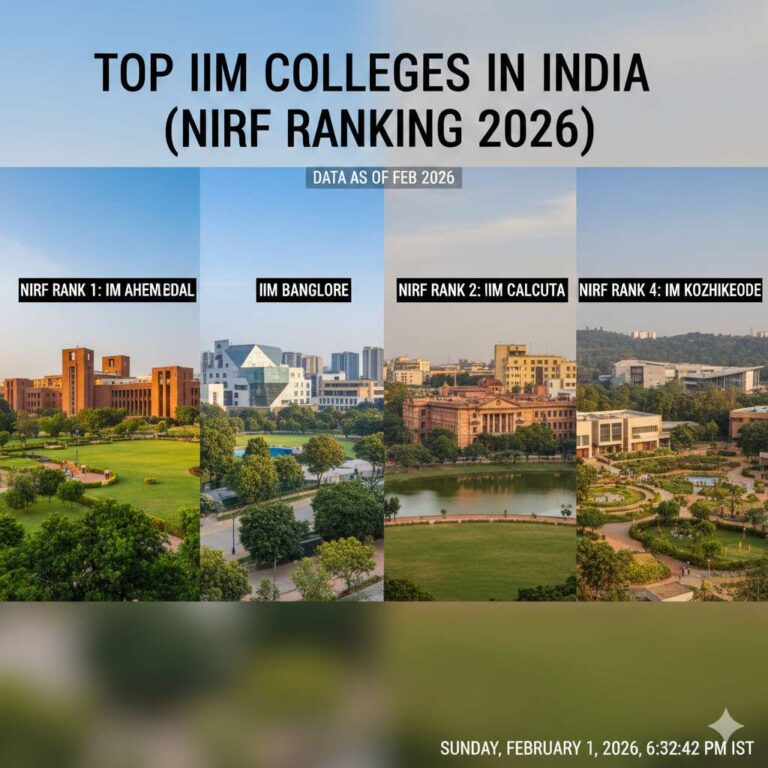
Top 10 IIM Colleges in India – A Complete Guide (2026)
Best IIT College in India Government: A Complete Guide for Aspiring Engineers



One Comment