Founder of AIIMS Hospital: The Visionary Who Transformed Medical Care in India
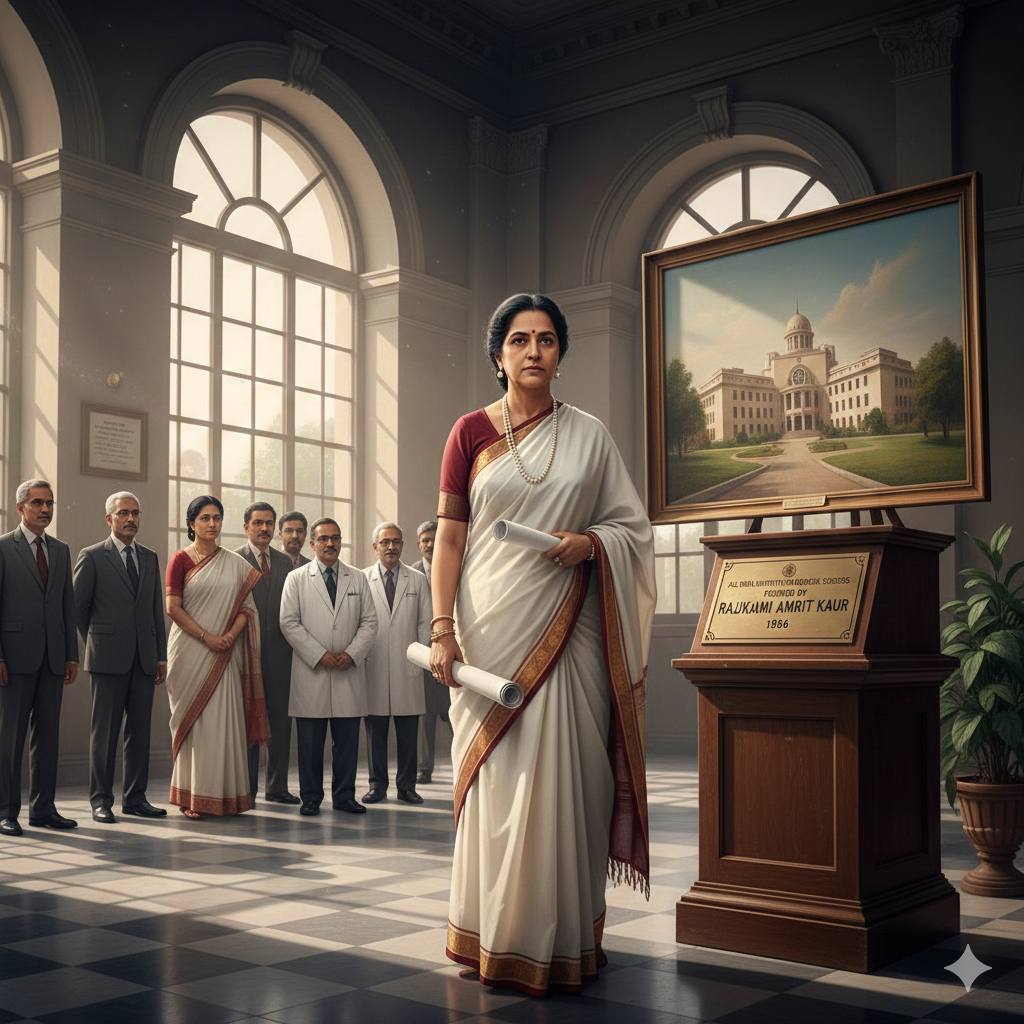
The All India Institute of Medical Sciences (AIIMS) stands today as India’s premier medical institution — a beacon of excellence in healthcare, medical education, and research. When we talk about the founding of AIIMS Hospital, it is essential to understand that it was not the work of a single person in isolation; rather, it was the culmination of a visionary idea championed by a remarkable leader, supported by dedicated policymakers, committees, and international collaboration. The key figure at the heart of this monumental initiative was Rajkumari Amrit Kaur — widely recognized as the founder of AIIMS.
1. The Need for a National Medical Institute in Post-Independence India
After India gained independence in 1947, the nation faced immense challenges in health care. Medical education was fragmented, research was limited, and advanced healthcare services were not easily accessible to the majority of the population. Leaders of the newly independent nation realized that to truly improve public health outcomes, India needed a world-class medical institute that could both train top doctors and serve as a center for cutting-edge medical research.
The necessity to create such an institution was highlighted as early as 1946 by the Health Survey and Development Committee, chaired by Sir Joseph Bhore, which recommended establishing a national medical centre. This centre would focus on producing highly qualified medical professionals to meet the healthcare needs of an emerging India.
2. Jawaharlal Nehru’s Vision and Government Support
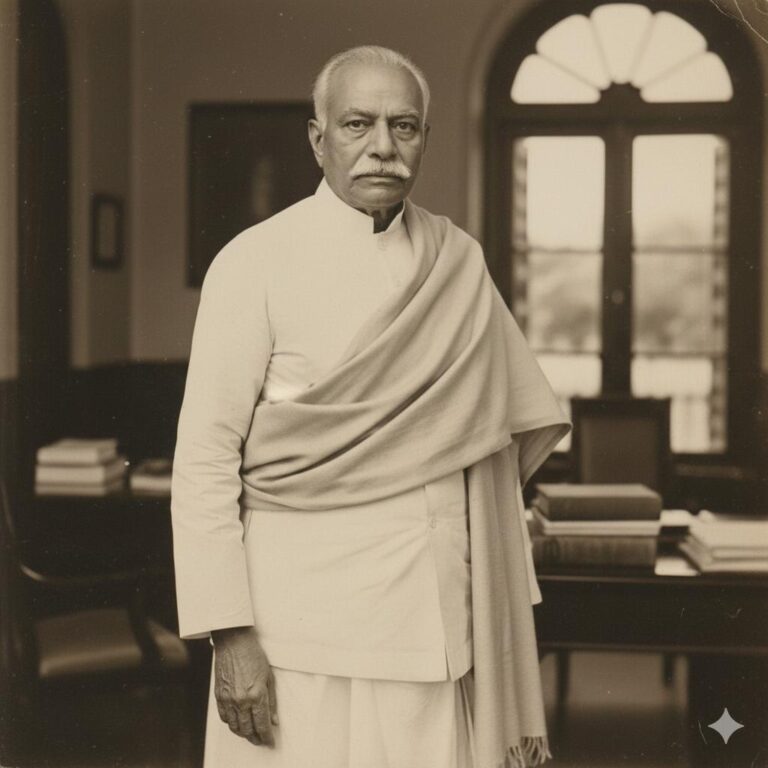
The vision for AIIMS resonated with India’s first Prime Minister, Jawaharlal Nehru, who aspired to build scientific and educational institutions that would propel India to global prominence. Nehru’s belief in scientific culture as a foundation for national development was instrumental in initiating the idea of a medical institute that would set benchmarks in medical education and research in India and across Southeast Asia.
This vision found a staunch supporter in Rajkumari Amrit Kaur, the then Union Health Minister, whose leadership turned this dream into reality. Together with Nehru, Kaur worked relentlessly to promote the idea of a premier medical institute directly under the Government of India, capable of training medical professionals and advancing research with international standards.
3. Rajkumari Amrit Kaur: The Founder of AIIMS
Early Life and Public Service
Born into royalty in June 1889, Rajkumari Amrit Kaur was a strong advocate for women’s rights, public health, and social reform. Her journey from the princely state of Kapurthala to becoming India’s first Health Minister was marked by unwavering commitment to public welfare. She was a well-educated and socially conscious leader who believed deeply in improving health care access for all.
Championing the Cause of AIIMS
Amrit Kaur played a pivotal role in formulating and pushing forward the legislation that led to the establishment of AIIMS. She drafted the bill and successfully introduced it in the Lok Sabha on 18 February 1956, which resulted in the AIIMS Act, 1956. This Act granted AIIMS autonomous status — a crucial decision that ensured the institute could operate independently from external political pressures and focus solely on excellence in healthcare and education.
Her vision was clear: AIIMS should be a place where postgraduate medical education, research, and clinical care were integrated seamlessly. She insisted that doctors at AIIMS should not engage in private practice, thereby dedicating their full attention to patient care, teaching, and pioneering research — a bold directive that helped shape its unique institutional culture.
A Compassionate Vision
Kaur envisaged AIIMS as a place not only for the affluent but for every Indian — where quality care would be available regardless of socio-economic status. Her insistence on maintaining high standards of clinical care, combined with accessible services, helped AIIMS evolve into a model institution that others in developing countries aspired to emulate.
4. The Foundation and Early Years of AIIMS
Laying the Foundation
The foundation stone for what would become AIIMS New Delhi was laid in 1952, with support from the Government of India and an international grant from New Zealand under the Colombo Plan. This marriage of national aspiration and international collaboration laid the groundwork for what would become one of Asia’s most prestigious medical institutions.
Inauguration and Growth
AIIMS was formally established in 1956, under the AIIMS Act passed by the Indian Parliament. It commenced operations with a 460-bed hospital, alongside a medical college and dedicated research facilities. The institute’s degree-awarding powers and autonomous status set it apart from conventional medical colleges of that era.
AIIMS also included a nursing college — later named the Rajkumari Amrit Kaur College of Nursing — underscoring Kaur’s belief in the vital role of nursing in healthcare delivery. Her vision highlighted that efficient healthcare depended not just on physicians but equally on skilled nurses.
5. First Director: Dr. Bhalchandra Babaji Dikshit
While Rajkumari Amrit Kaur was the driving force behind the creation of AIIMS, the institute’s operational success also depended on capable leadership. The first Director of AIIMS was Dr. Bhalchandra Babaji Dikshit, an accomplished physician and pharmacologist.
Dr. Dikshit played a key role in shaping the early academic and clinical environment of AIIMS. Under his guidance, AIIMS established a culture of excellence, attracting brilliant faculty from across India and abroad. His leadership ensured that the institute became a leading centre of medical education and research, both nationally and internationally.
6. AIIMS Impact on Healthcare and Education
From its inception, AIIMS set global-standard practices in medical care, education, and research. It transformed the landscape of medical education in India by offering postgraduate courses that previously required students to go abroad. The focus on research and innovation led to breakthroughs in areas such as cardiology, neurology, oncology, and public health.
The institute’s culture of academic rigor, combined with state-of-the-art patient care, made it a destination for patients from across India and neighbouring countries. Its graduates became leaders in medical fields worldwide, further enhancing India’s medical reputation globally.
7. Expansion of the AIIMS Model Across India
Inspired by the success of AIIMS New Delhi, the Government of India launched initiatives to establish similar institutes across the country through schemes like the Pradhan Mantri Swasthya Suraksha Yojana (PMSSY). These new AIIMS-style institutions aim to decentralize healthcare excellence and improve access to advanced medical services in underserved regions.
Today, multiple AIIMS hospitals operate throughout India — in cities such as Bhubaneswar, Rishikesh, Bhopal, and beyond — extending the legacy of world-class medical care that began with the original institute in New Delhi.
8. Legacy of the Founder
Rajkumari Amrit Kaur’s legacy is not limited to a building or an institution — it is the enduring excellence of a healthcare model that continues to save lives and shape careers. Her foresight in insisting on autonomy, quality, and accessibility has ensured that AIIMS remains a trusted name in health care for millions.
Today, nearly seven decades after its establishment, AIIMS continues to uphold the principles upon which it was founded — integrity, scientific inquiry, empathy, and service to humanity. The institute’s success is a testament to her relentless pursuit of a healthier India and a brighter future for generations to come.
Conclusion
The story of the founder of AIIMS Hospital is really the story of visionary leadership, relentless pursuit of excellence, and unwavering commitment to public healthcare. Rajkumari Amrit Kaur’s pivotal role in conceptualizing, advocating, and establishing AIIMS gave India a medical institution that not only transformed healthcare within the nation but also inspired other developing countries. Her legacy lives on in the corridors of AIIMS, in its pioneering research, and in the countless lives it has touched and healed.