
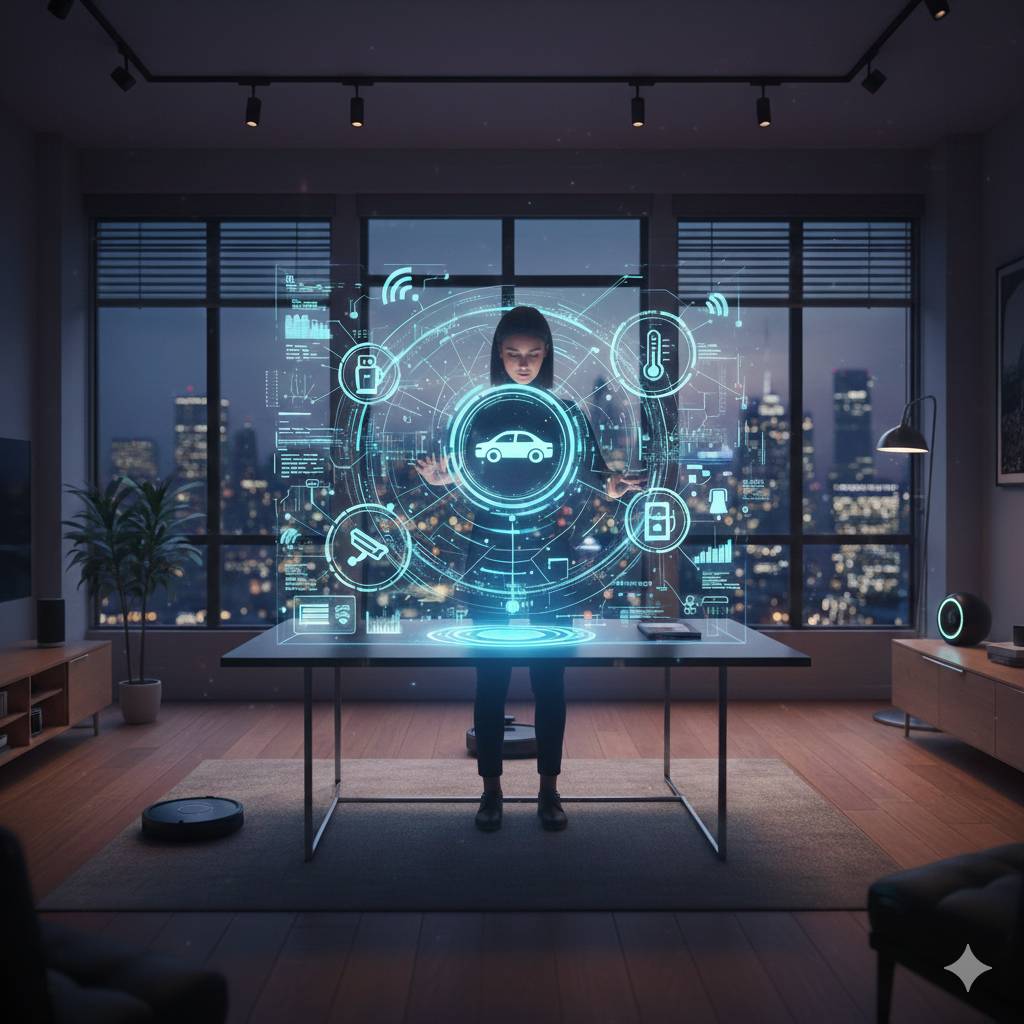
Internet of Things (IoT): Transforming the Digital World Through Smart Connectivity
The rapid evolution of technology has introduced groundbreaking concepts that are reshaping how people live, work, and interact with the world. One such revolutionary concept is the Internet of Things (IoT). From smart homes and wearable devices to industrial automation and smart cities, IoT has become a core driver of digital transformation across industries. By connecting physical objects to the internet and enabling them to collect, share, and analyze data, IoT is creating a smarter, more efficient, and highly connected ecosystem.
What is the Internet of Things (IoT)?
The Internet of Things (IoT) refers to a network of physical objects—such as devices, machines, vehicles, appliances, and sensors—that are embedded with software, electronics, and connectivity to exchange data over the internet. These connected devices can communicate with each other and with centralized systems without human intervention.
In simple terms, IoT allows everyday objects to “sense,” “think,” and “act” by gathering data from their environment and responding intelligently. This ability to automate processes and provide real-time insights is what makes IoT so powerful and valuable in modern society.
How Does IoT Work?
IoT operates through a combination of hardware, software, connectivity, and data processing. The basic working process includes:
-
Sensors and Devices
IoT devices are equipped with sensors that collect data such as temperature, motion, location, pressure, or light. -
Connectivity
The collected data is transmitted over the internet or private networks using technologies like Wi-Fi, Bluetooth, cellular networks, LPWAN, or satellite communication. -
Data Processing
Once data reaches cloud-based platforms or servers, it is analyzed using software applications, artificial intelligence, or machine learning algorithms. -
Action and Automation
Based on the analysis, actions are triggered automatically or insights are shared with users through dashboards, alerts, or mobile applications.
This seamless flow of data enables smarter decision-making and automation across various domains.
Key Components of IoT
Understanding the core components of the Internet of Things helps in grasping its full potential:
1. IoT Devices
These include sensors, actuators, smart appliances, wearable devices, and industrial machines that collect and transmit data.
2. Connectivity Protocols
Protocols such as MQTT, HTTP, CoAP, Zigbee, and LoRaWAN ensure reliable communication between devices and systems.
3. Cloud Platforms
Cloud services store, manage, and process massive volumes of IoT data efficiently and securely.
4. Data Analytics
Advanced analytics tools convert raw data into meaningful insights that help organizations optimize operations.
5. User Interfaces
Mobile apps, dashboards, and web portals allow users to monitor and control IoT devices in real time.
Types of Internet of Things (IoT)
IoT can be categorized into different types based on its applications:
1. Consumer IoT
Includes smart home devices, fitness trackers, smartwatches, and voice assistants that enhance daily life.
2. Industrial IoT (IIoT)
Used in manufacturing, logistics, and energy sectors to improve efficiency, predictive maintenance, and operational safety.
3. Healthcare IoT
Involves medical devices, remote patient monitoring systems, and wearable health trackers to improve healthcare delivery.
4. Commercial IoT
Applied in retail, hospitality, and transportation to enhance customer experience and streamline operations.
5. Infrastructure IoT
Supports smart cities, traffic management, waste management, and environmental monitoring.
Applications of Internet of Things (IoT)
The Internet of Things is transforming industries by offering innovative solutions and operational efficiency.
Smart Homes
IoT-powered smart homes enable automation of lighting, security, climate control, and appliances. Devices like smart thermostats, door locks, and surveillance cameras improve comfort, energy efficiency, and safety.
Healthcare
IoT in healthcare allows real-time monitoring of patients, early detection of health issues, and remote consultations. Wearable devices track heart rate, blood pressure, and physical activity, helping doctors make informed decisions.
Industrial Automation
In manufacturing, IoT enables predictive maintenance, asset tracking, quality control, and production optimization. Sensors detect equipment issues before breakdowns occur, reducing downtime and costs.
Smart Cities
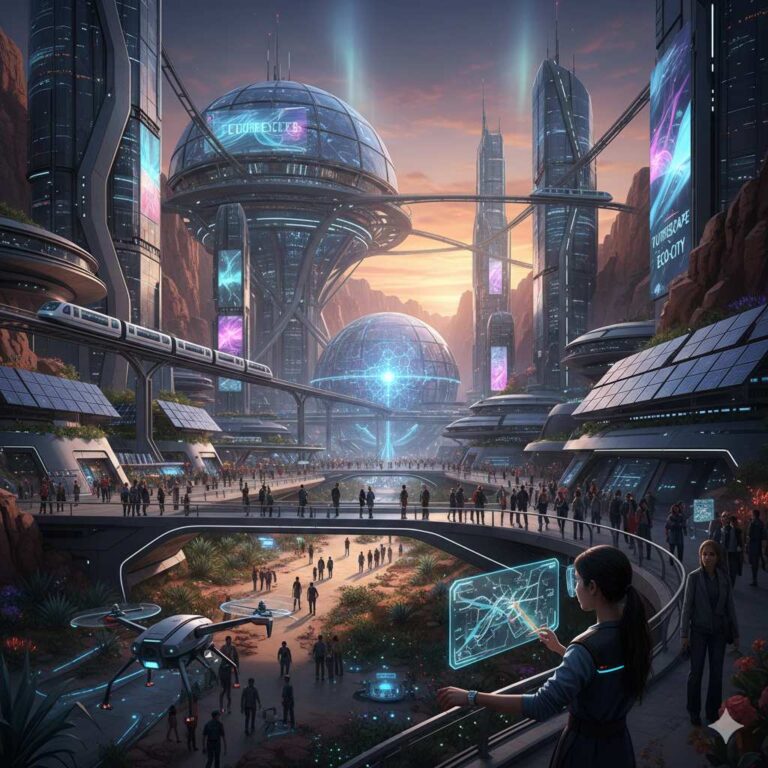
IoT helps manage traffic flow, reduce energy consumption, monitor air quality, and enhance public safety. Smart streetlights, parking systems, and waste management solutions improve urban living.
Agriculture
IoT-based smart farming uses sensors to monitor soil moisture, weather conditions, and crop health. This data-driven approach increases productivity while conserving water and resources.
Transportation and Logistics
IoT enables real-time vehicle tracking, route optimization, fleet management, and improved supply chain visibility.
Benefits of Internet of Things (IoT)
The growing adoption of IoT is driven by its numerous advantages:
Improved Efficiency
Automation and real-time monitoring reduce manual work and operational inefficiencies.
Cost Savings
Predictive maintenance and energy optimization lower maintenance and utility costs.
Enhanced Decision-Making
Data-driven insights help businesses make informed and timely decisions.
Better Customer Experience
Personalized services and faster response times improve customer satisfaction.
Increased Safety and Security
IoT systems can detect risks, prevent accidents, and enhance surveillance.
Challenges and Risks of IoT
Despite its benefits, the Internet of Things also presents certain challenges:
Security Concerns
Connected devices are vulnerable to cyberattacks if not properly secured. Data breaches and unauthorized access remain major concerns.
Data Privacy
The massive collection of personal and sensitive data raises privacy issues and regulatory challenges.
Interoperability
Different devices and platforms may struggle to communicate due to lack of standardization.
Scalability
Managing and analyzing large volumes of data becomes complex as IoT networks expand.
Infrastructure Dependence
Reliable internet connectivity and power supply are essential for effective IoT implementation.
Role of Artificial Intelligence in IoT
Artificial Intelligence (AI) plays a critical role in enhancing IoT capabilities. AI-powered analytics enable predictive insights, anomaly detection, and intelligent automation. When combined with machine learning, IoT systems can learn patterns, adapt to changing environments, and make autonomous decisions. This integration, often referred to as AIoT, is driving the next phase of smart technology innovation.
Future of Internet of Things (IoT)
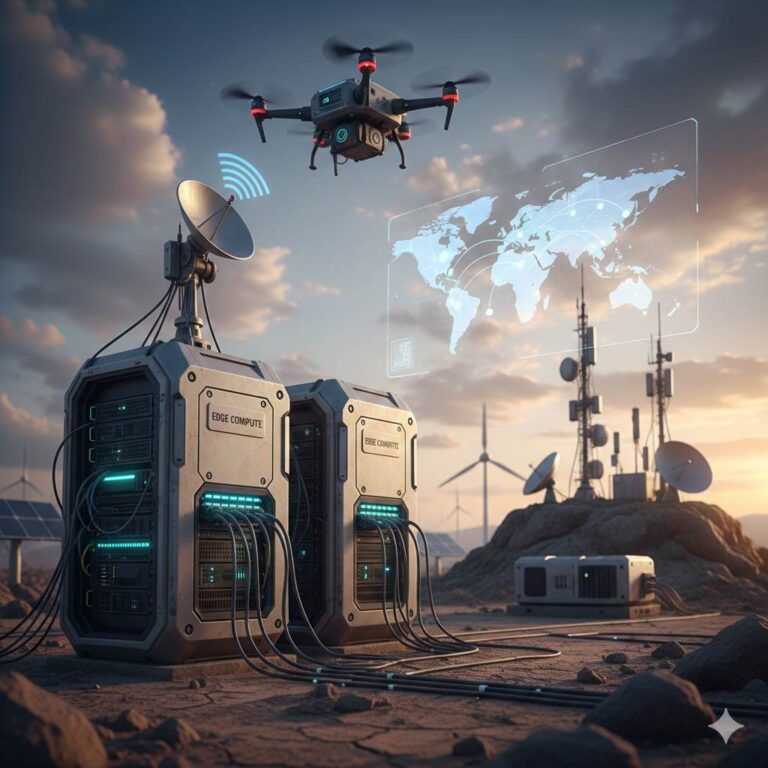
The future of IoT looks promising as emerging technologies continue to strengthen its impact. Advancements in 5G connectivity will enable faster data transmission and support a massive number of connected devices. Edge computing will reduce latency by processing data closer to the source, while blockchain will enhance data security and transparency.
In the coming years, IoT is expected to play a crucial role in autonomous vehicles, smart healthcare systems, sustainable energy management, and intelligent industrial ecosystems. As adoption increases, IoT will become an integral part of everyday life and business operations.
Conclusion
The Internet of Things (IoT) is revolutionizing the way the world operates by connecting physical objects to the digital ecosystem. From smart homes and healthcare to industrial automation and smart cities, IoT is enabling greater efficiency, innovation, and convenience. While challenges such as security and privacy need to be addressed, the benefits far outweigh the risks.


2 Comments