7 Types of Technology That Are Shaping the Modern World
Technology has become an inseparable part of our daily lives. From how we communicate and work to how we learn, travel, and receive healthcare, technology influences almost every aspect of modern society. Over the years, different types of technology have emerged, each designed to solve specific problems and improve efficiency. Understanding these technologies helps individuals and businesses stay informed and prepared for the future.
In this blog, we will explore the 7 types of technology, their importance, real-world applications, and how they are transforming industries worldwide.
1. Information Technology (IT)
Information Technology, commonly known as IT, is one of the most widely used types of technology today. It focuses on the use of computers, software, networks, and systems to store, process, transmit, and protect information.
Key Components of Information Technology
-
Computer hardware (servers, laptops, desktops)
-
Software applications and operating systems
-
Networking and internet infrastructure
-
Data management and cybersecurity
Applications of IT
Information technology plays a crucial role in almost every industry:
-
Businesses use IT for data storage, communication, and operations
-
Educational institutions rely on digital learning platforms
-
Banks and financial institutions manage transactions securely
-
Governments use IT systems for administration and public services
Importance of IT
IT improves productivity, enhances communication, and enables data-driven decision-making. With advancements like cloud computing and cybersecurity solutions, information technology continues to evolve rapidly.
2. Communication Technology
Communication technology refers to tools and systems that enable the exchange of information between individuals or groups over distances. This type of technology has revolutionized how people connect globally.
Examples of Communication Technology
-
Mobile phones and smartphones
-
Email and instant messaging
-
Video conferencing tools
-
Social media platforms
-
Satellite communication
Impact on Society
Communication technology has made the world more connected than ever. Businesses can collaborate globally, families can stay in touch across continents, and information can be shared instantly.
Benefits
-
Faster and more efficient communication
-
Improved collaboration and teamwork
-
Enhanced access to information
-
Support for remote work and online education
3. Medical Technology
Medical technology focuses on improving healthcare services through innovative tools, equipment, and systems. It plays a vital role in diagnosing, treating, and preventing diseases.
Types of Medical Technology
-
Diagnostic equipment (X-ray, MRI, CT scans)
-
Medical devices (pacemakers, insulin pumps)
-
Telemedicine platforms
-
Health monitoring wearables
-
Robotic surgery systems
Role in Healthcare
Medical technology has significantly improved patient outcomes by enabling early diagnosis, precise treatments, and minimally invasive procedures. Telemedicine has also made healthcare accessible to remote and underserved areas.
Advantages
-
Improved accuracy in diagnosis
-
Faster treatment and recovery
-
Enhanced patient care and safety
-
Reduced healthcare costs over time
4. Educational Technology (EdTech)
Educational technology, or EdTech, refers to digital tools and platforms designed to enhance learning and teaching experiences.
Examples of Educational Technology
-
Online learning platforms
-
Learning management systems (LMS)
-
Virtual classrooms
-
Educational apps
-
Smart boards and digital content
Transformation of Education
EdTech has transformed traditional classrooms into interactive learning environments. Students can learn at their own pace, access global resources, and develop digital skills essential for the future.
Benefits of Educational Technology
-
Personalized learning experiences
-
Increased student engagement
-
Access to education anytime, anywhere
-
Support for remote and hybrid learning models
5. Industrial and Manufacturing Technology
Industrial technology focuses on the use of machinery, tools, and systems in manufacturing and production processes. This type of technology is essential for mass production and industrial growth.
Examples of Industrial Technology
-
Automation and robotics
-
Computer-aided manufacturing (CAM)
-
Industrial IoT (Internet of Things)
-
Quality control systems
-
Supply chain management software
Role in Industry
Industrial technology improves efficiency, reduces errors, and enhances product quality. Automation has enabled industries to produce goods faster while maintaining consistency.
Key Advantages
-
Increased productivity
-
Reduced operational costs
-
Improved workplace safety
-
Enhanced scalability for businesses
6. Artificial Intelligence and Machine Learning
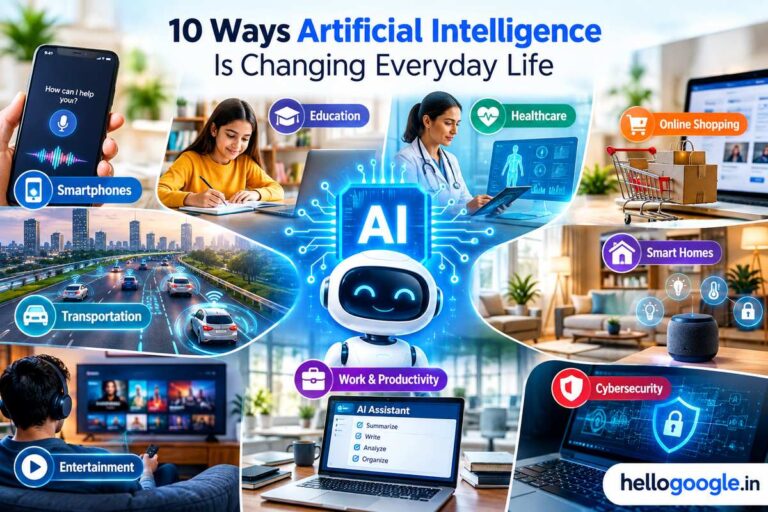
Artificial Intelligence (AI) and Machine Learning (ML) are among the most advanced and rapidly growing types of technology. They enable machines to simulate human intelligence and learn from data.
Examples of AI and ML Applications
-
Chatbots and virtual assistants
-
Recommendation systems
-
Facial and voice recognition
-
Autonomous vehicles
-
Predictive analytics
How AI is Changing the World
AI is transforming industries by automating tasks, analyzing large datasets, and making intelligent decisions. Businesses use AI to improve customer experiences, optimize operations, and predict market trends.
Benefits of AI Technology
-
Increased efficiency and accuracy
-
Reduced human error
-
Faster decision-making
-
Ability to handle complex tasks
7. Green and Sustainable Technology
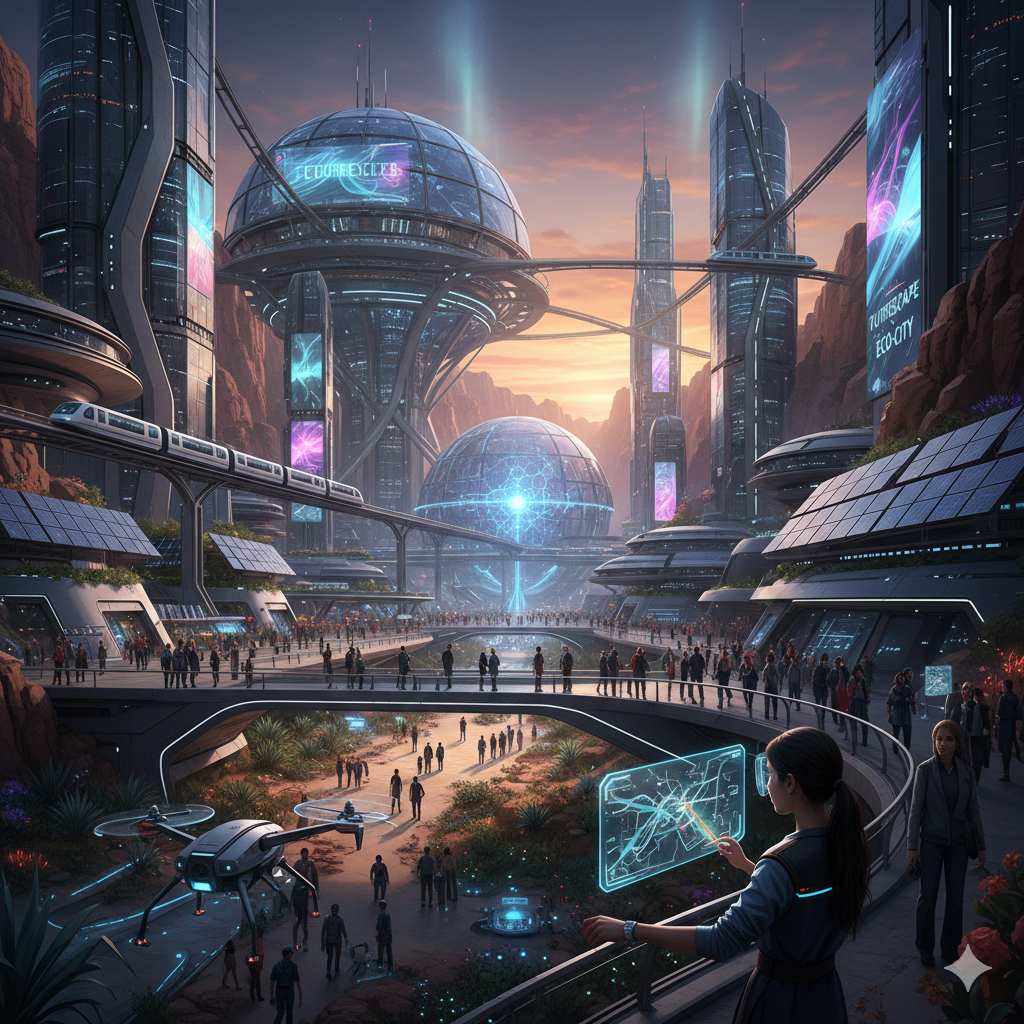
Green technology, also known as sustainable technology, focuses on reducing environmental impact and promoting eco-friendly solutions. As environmental concerns grow, this type of technology has become increasingly important.
Examples of Green Technology
-
Renewable energy (solar, wind, hydro)
-
Electric vehicles
-
Energy-efficient appliances
-
Waste recycling systems
-
Smart energy management solutions
Importance of Sustainable Technology
Green technology helps conserve natural resources, reduce pollution, and combat climate change. Governments and businesses worldwide are investing heavily in sustainable solutions.
Benefits
-
Reduced carbon footprint
-
Long-term cost savings
-
Environmental protection
-
Support for sustainable development goals
How These 7 Types of Technology Work Together
Although each type of technology serves a specific purpose, they often work together to create powerful solutions. For example:
-
AI enhances medical technology through predictive diagnostics
-
Information technology supports communication platforms
-
Industrial technology uses AI and IoT for smart manufacturing
-
Educational technology relies on IT and communication systems
This integration drives innovation and accelerates progress across industries.
Future of Technology
The future of technology looks promising and transformative. Emerging trends such as quantum computing, blockchain, extended reality (AR/VR), and advanced robotics will further expand the impact of these seven types of technology.
As technology continues to evolve, individuals and organizations must adapt by learning new skills and embracing innovation. Staying informed about different types of technology is essential for growth, competitiveness, and sustainability.
Conclusion
Understanding the 7 types of technology helps us appreciate how deeply technology influences our lives. From information and communication technology to medical, educational, industrial, artificial intelligence, and green technology, each plays a critical role in shaping the modern world.